La biodiversité est l’un des biens les plus précieux de l’humanité. Notre site, proposé par le média Conservation Nature, vise à partager la connaissance sur les écosystèmes et milieux qui existent en France afin de mieux les protéger.
Parcourez les différents articles présents sur notre site pour devenir incollable sur la biodiversité, les milieux naturels où encore les menaces écologiques qui existent en France.
La biodiversité en France
La biodiversité qui existe en France est une des plus riches au monde. Découvrez l’étendue de notre biodiversité et les raisons de cette richesse exceptionnelle dans cet article.
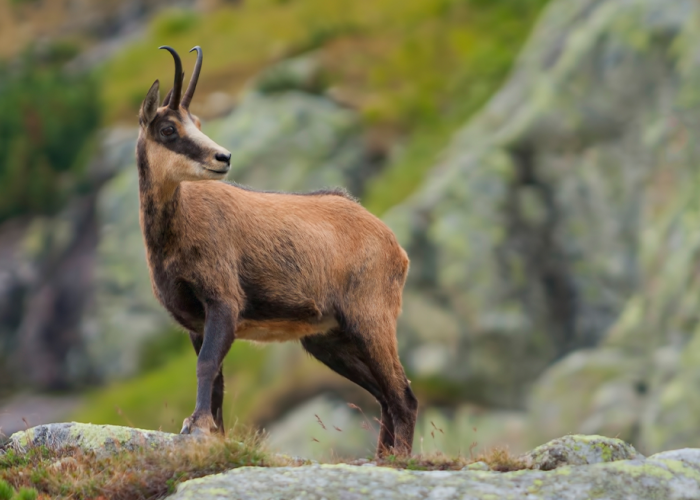
La faune est une partie visible de la biodiversité de France. Mammifères, reptiles ou encore invertébrés, découvrez quels sont les animaux qui participent le plus à la biodiversité française.
La flore est très variée en France. De la flore qu’on retrouve dans les zones atlantiques à celles de la méditerranée en passant par les zones montagnardes, lisez cet article pour en savoir davantage sur la flore de l’hexagone.
Si la France a une telle richesse dans sa biodiversité, c’est avant tout parce qu’elle possède de nombreux milieux naturels différents des uns des autres qui abritent chacun une biodiversité unique. Venez les découvrir dans cet article.
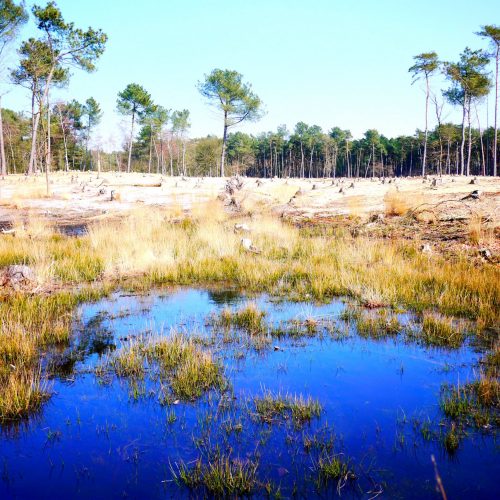
Les milieux humides sont des milieux naturels qu’on retrouve très souvent en France sous forme de marécages, de cours d’eau ou encore d’étang. Lisez cet article pour en savoir davantage sur l’importance des milieux humides en France.
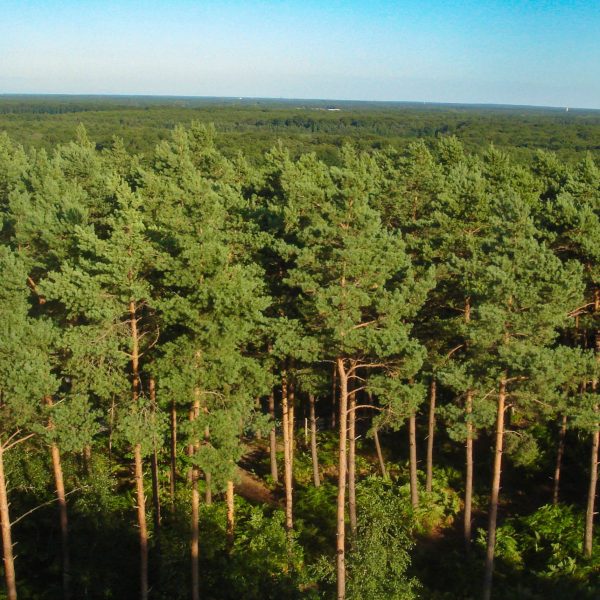
Les milieux forestiers sont des zones importantes pour la biodiversité de l’hexagone. Chaque type de forêt a ses propres spécificités et sa propre biodiversité. Découvrez cet article pour les reconnaître facilement.
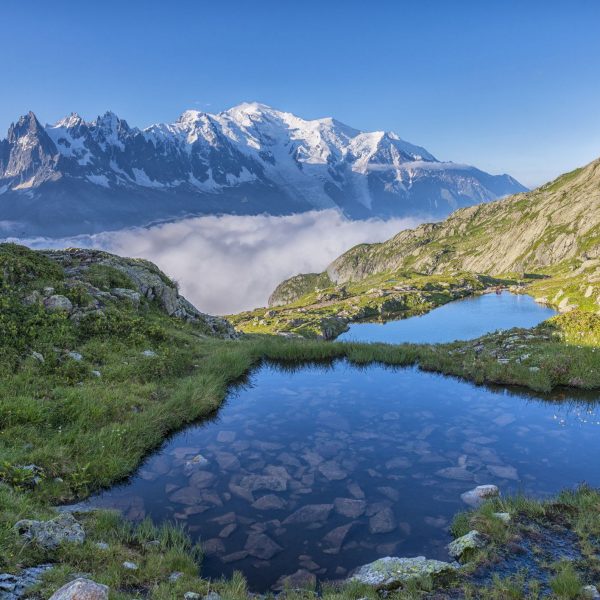
Les montagnes font partie intégrante du paysage français, mais sont aussi le siège d’une biodiversité importante et souvent très spécialisée. Découvrez cet article pour devenir incollable sur le milieu montagnard en France.
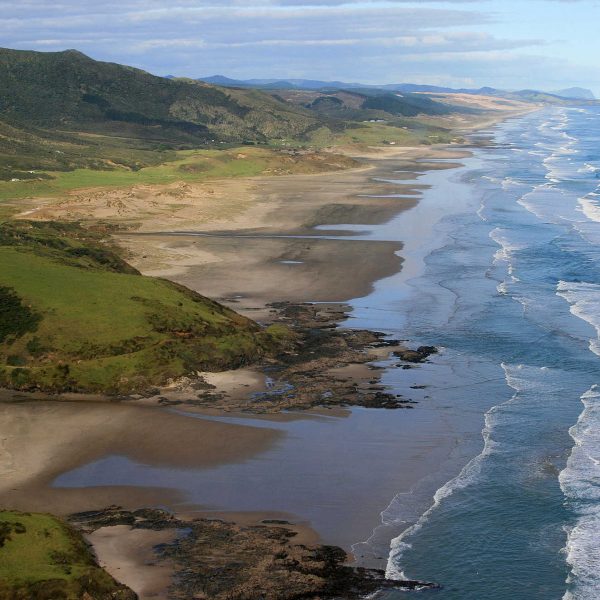
Les milieux marins et littoraux sont très étendus en France, et sources d’une biodiversité dont on ne connait même pas la taille réelle. Lisez cet article pour en savoir plus sur les milieux marins et littoraux de la France.
Si la France possède une biodiversité unique au monde, elle fait face à des menaces de toute part qui ont plutôt tendance à s’empirer d’année en année. Lisez cet article pour connaître les menaces écologiques qui pèsent sur les zones naturelles de France.
L’artificialisation du territoire est une des menaces les plus importantes pour la biodiversité des pays développés, et la France n’échappe pas à la règle. Découvrez dans notre article en quoi l’artificialisation du territoire pose problème pour les écosystèmes existants.
La fragmentation des milieux naturels est un phénomène peu connu qui est pourtant une menace majeure pour les milieux touchés. Lisez notre article pour comprendre les causes et les conséquences de la fragmentation des milieux naturels, ainsi que les pistes pour s’en prémunir.
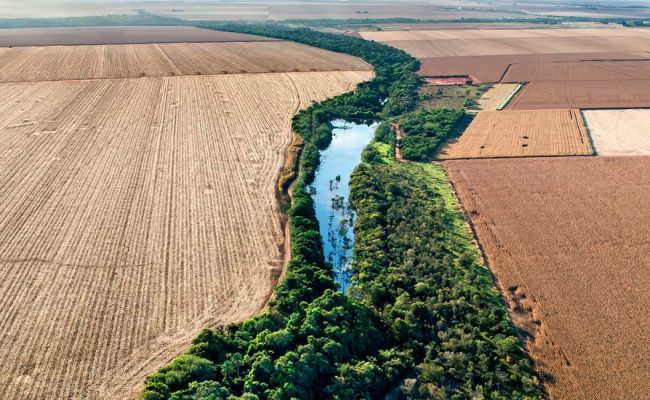
L’agriculture intensive a certes quelques avantages, mais ils sont peu nombreux lorsqu’on s’attarde sur les conséquences de ces pratiques sur les milieux naturels. Découvrez notre article sur l’agriculture intensive pour mieux connaître les avantages, les inconvénients et les alternatives de cette méthode de culture.
La prolifération d’espèces exotiques envahissantes
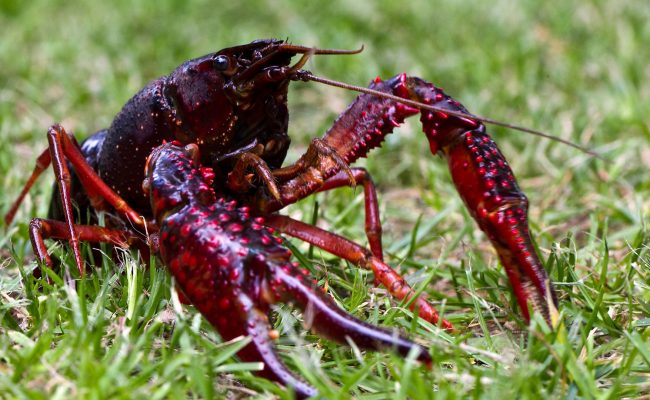
Les espèces exotiques envahissantes sont une vraie plaie pour les écosystèmes qui se retrouvent subitement déséquilibrés. Découvrez les conséquences de la prolifération d’espèces exotiques animales comme végétales dans notre article.
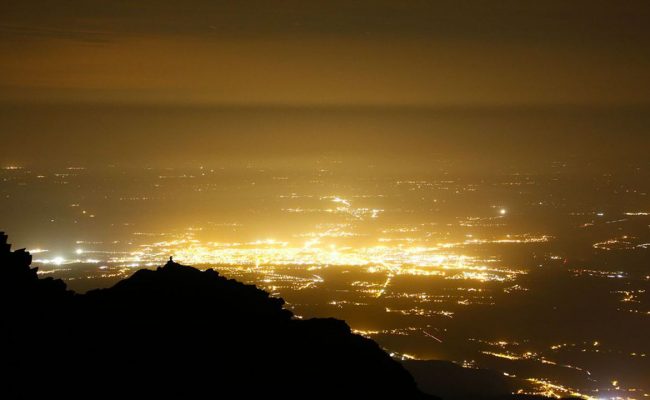
La pollution lumineuse est aussi bien néfaste pour les humains que pour les animaux et végétaux qui y sont exposés. Découvrez pourquoi dans cet article.
Le changement climatique fait partie des menaces les plus concrètes qui pèsent sur notre planète, et la France n’a aucune chance d’être épargnée. Pire, certaines conséquences sont d’ores et déjà bien visibles. Voici ce que vous devez savoir sur la menace du changement climatique en France.
Vous souhaitez faire plaisir à un fan de nature ? Découvrez nos idées de cadeaux pour se reconnecter à la nature. Des cadeaux parfaits pour choyer la personne tout en respectant ses valeurs et engagements, voire en y prenant part activement.